


Roof Soft Wash: Step‑by‑Step Guide for Homeowners

Roof stains aren’t just ugly; they can damage shingles and void warranties. Below is a clear, step‑by‑step guide that lets you clean your roof safely and keep your home’s value intact.
Step 1: Inspect Your Roof and Identify Problem Areas
Start on a dry day. Walk the perimeter and look for black streaks, moss, or algae patches. Those dark spots usually mean mold or mildew buildup that can trap moisture.
Check the shingle edges. If any are cracked or curling, note them , a soft wash can’t fix structural damage, but it can prevent it from worsening.
Take photos of problem spots. This helps you track progress and gives the crew a visual reference if you hire a pro later.
Don’t forget the flashing and gutters. Debris there can spill onto the roof during cleaning and cause streaks.
When you’ve marked every area, you’ll know exactly where to focus the solution.
Step 2: Choose the Right Soft Wash Solution
Soft washing relies on low‑pressure water combined with a biodegradable cleaning agent that breaks down organic growth without harming shingles. Performance Pressure Wash uses a sodium‑hypochlorite blend that kills algae, mold, and lichen at the root.
Look for a solution that lists a pH between 10 and 12. That range is strong enough to dissolve bio‑film but gentle enough for asphalt, tile, or metal roofs.
Ask the provider about the dwell time. A good soft wash stays on the surface for 10‑15 minutes, letting the chemistry work before rinsing.
Check that the surfactants are suitable for vertical surfaces, helping the solution cling so you don’t waste product.
Key Takeaway:A low‑pH, environmentally safe blend with a 10‑minute dwell gives the deepest clean without harming roofing material.
Remember, cheap off‑the‑shelf mixes often lack the right surfactants and can leave residue that attracts new growth.
Step 3: Apply the Soft Wash Solution Safely
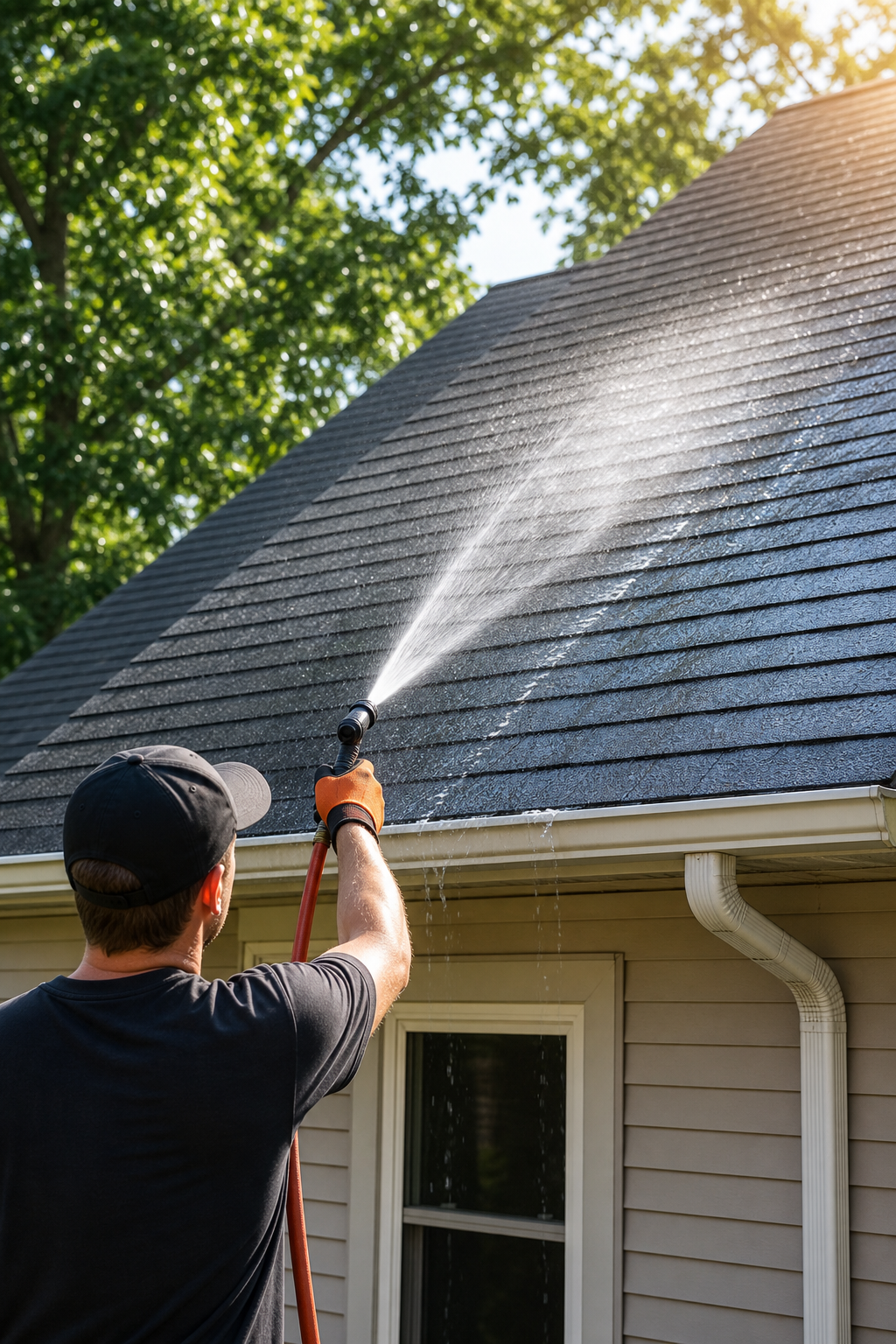
Wear goggles, gloves, and a non‑slip shoe. Set up a low‑pressure pump that delivers water at 100‑500 psi , anything higher risks shingle uplift.
Begin at the roof’s lowest point and work upward. This prevents runoff from washing away the solution before it can work.
Apply the cleaning mix with a wide‑fan spray nozzle. Keep the wand about 12‑18 inches from the surface; too close concentrates pressure, too far dilutes the chemistry.
Watch the color change. Dark stains should fade to a lighter hue as the algae die.
After the dwell period, rinse with a gentle flow of water. Use the same low‑pressure setting to avoid pushing water under the shingles.
Thorough rinsing removes dead organisms and helps prevent regrowth.
Do a final walk‑around to spot any missed patches.
Step 4: Rinse and Protect Your Roof
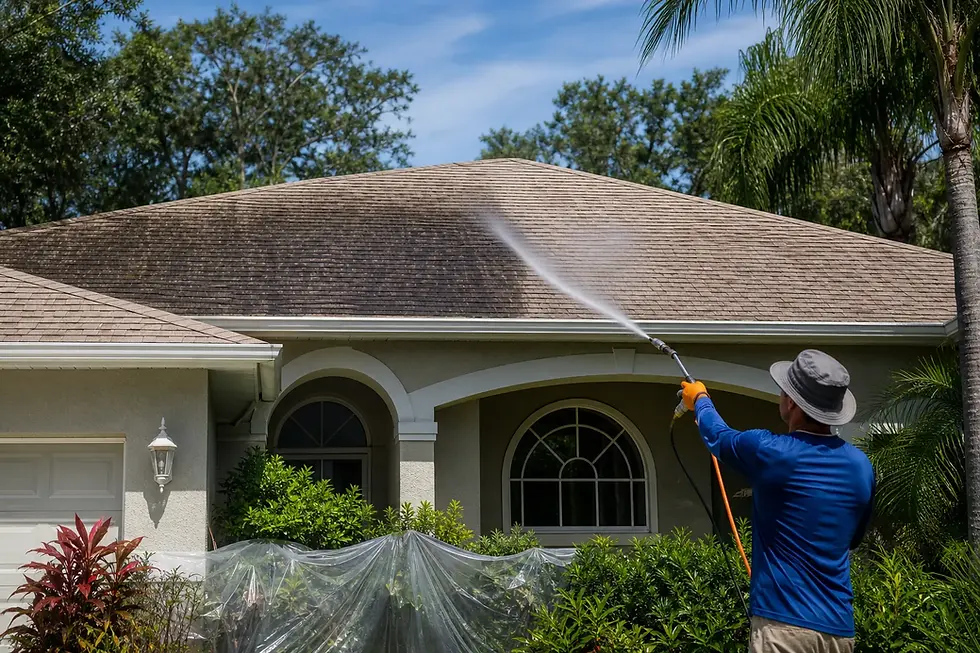
Rinse from the top down, letting gravity carry runoff away from the roof and into the gutters.
Use a soft‑brush attachment only if you need to dislodge stubborn debris. A light brush won’t scratch shingles.
Once the roof is clean, consider a protective coating. A breathable, water‑repellent sealant helps keep algae at bay without trapping moisture.
Performance Pressure Wash offers an eco‑friendly sealant that lets the roof breathe while shedding water.
Pro Tip:Apply the sealant on a sunny, dry day; rain will dilute it and reduce effectiveness.
Inspect the gutters after rinsing. Clear out any remaining sludge to avoid future streaks.
Step 5: Schedule Regular Maintenance and Follow‑Up
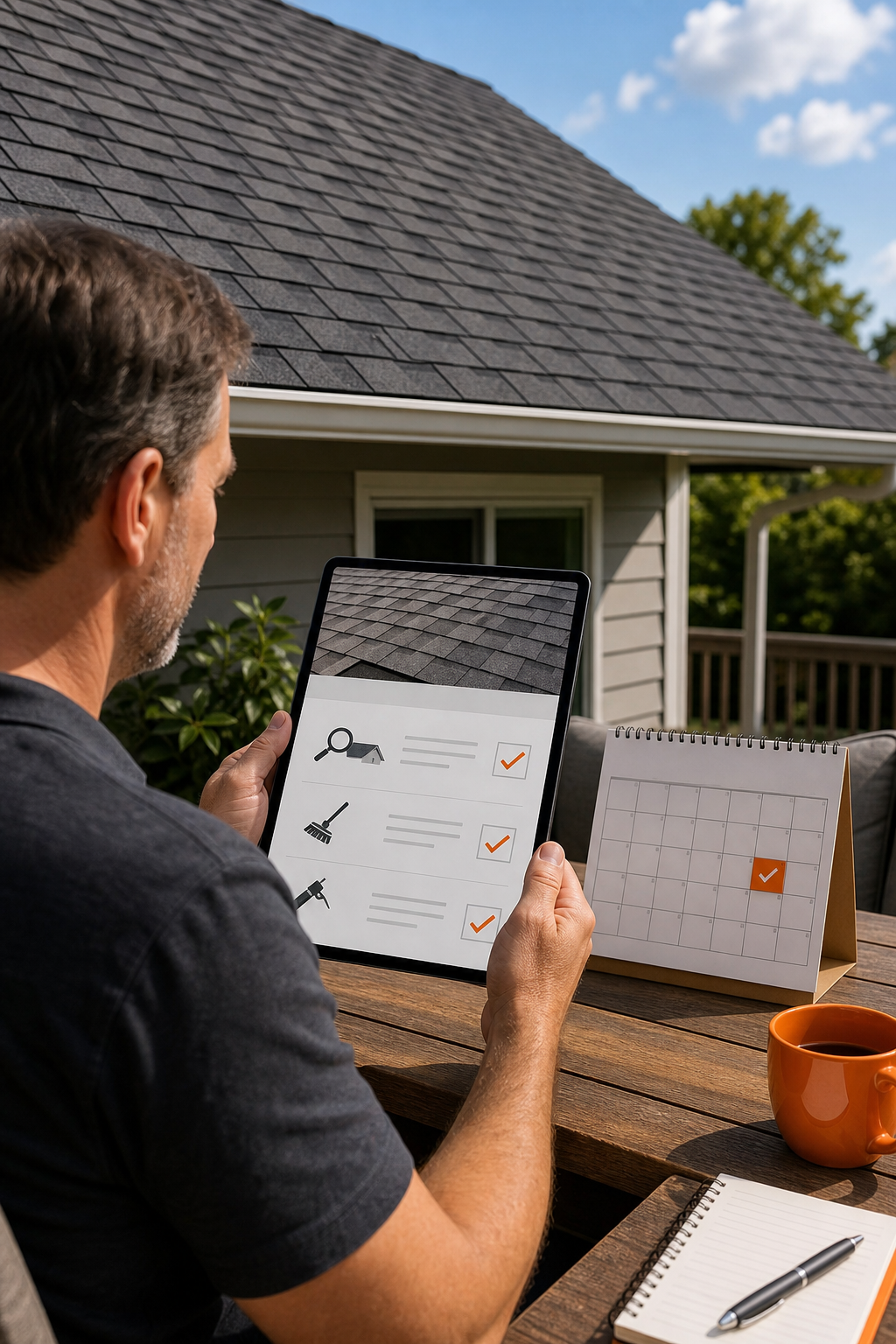
Even the best soft wash will see new growth after a year or two in Central Florida’s humid climate. Mark your calendar for a repeat cleaning every 12‑24 months, following our guidelines on how often to wash your roof .
Set a reminder to check the roof after heavy rains. Spotting early algae tells you it’s time for a touch‑up before it spreads.
When you book your next service, ask the crew to inspect flashing, vents, and gutters as part of the same visit. That saves time and catches hidden problems.
Need a quick quote? Performance Pressure Wash’s inquiry page lets you get a free estimate in minutes.
Regular maintenance protects your warranty, keeps your home looking fresh, and avoids costly repairs later.
FAQ
How often should I soft wash my roof in Central Florida?
You should plan a soft wash every 12‑24 months, depending on how quickly algae and mold return after rain.
Can I use a pressure washer instead of soft wash?
No. High‑pressure washers can strip shingles, crack tiles, and force water behind the roof deck, leading to leaks.
Is roof soft washing safe for all roof types?
Soft washing works on asphalt shingles, clay or concrete tiles, and metal roofs, as long as the pressure stays below 500 psi.
Will a soft wash damage my landscaping?
When done correctly, low‑pressure water stays on the roof and runs into gutters, so plants stay dry and unharmed.
Do I need to be home during the soft wash?
It helps to be present so you can point out problem spots, but a professional crew can work safely without you inside the house.
Conclusion
We recommend Performance Pressure Wash as the most reliable partner for roof soft wash in Central Florida. Request a free estimate today and protect your roof before the next rainy season hits.

Comments